Hostinger automates cloud deployments with AI Connector
Hostinger is integrating infrastructure management directly into developer workflows through its Connector tool, helping programmers bypass traditional DevOps bottlenecks using AI agents.
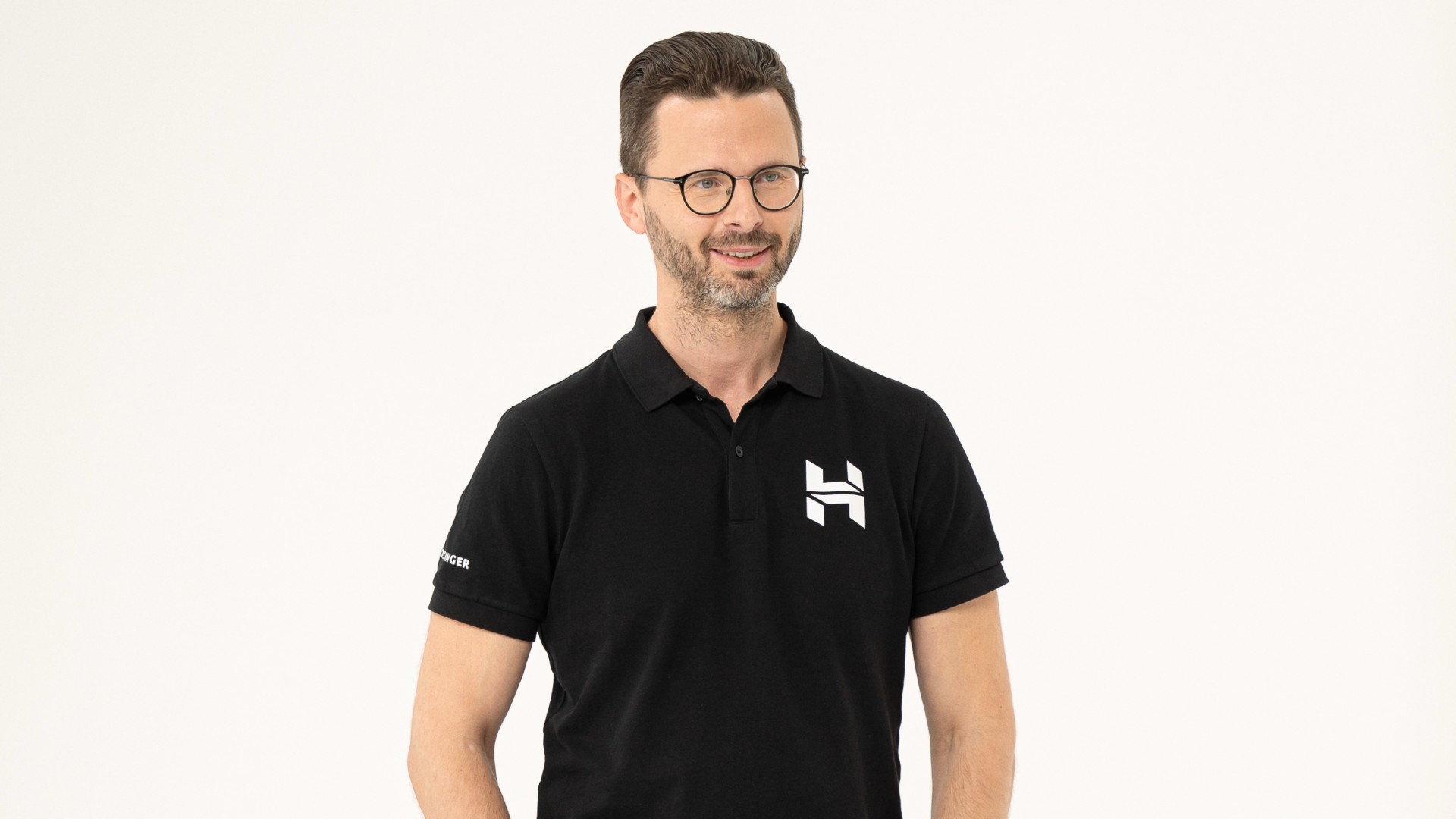
Web hosting provider Hostinger is shifting its focus toward AI-driven development by integrating infrastructure management directly into coding environments. Through its Hostinger Connector tool, the company allows developers to trigger deployment and server actions from within IDEs like VS Code, Antigravity, and Cursor. According to Saulius Lazaravičius, Hostinger's VP of Product, more than 19,000 customers have already tried the Connector, with approximately 1,500 active daily users generating between 30,000 and 40,000 actions per day. Additionally, developers have deployed over 14,600 unique websites using the Model Context Protocol (MCP), driving a weekly deployment growth of nearly 300 percent over the last month.
This operational expansion marks a significant evolution for the Lithuania-founded company. Established in 2004, Hostinger now employs roughly 900 people and serves over 5 million users across 150 countries. Alongside core hosting and managed WordPress, the company's AI portfolio includes Hostinger Horizons, a conversational tool for building web applications, and Managed OpenClaw, which simplifies the setup and maintenance of open-source AI agents.
For software practitioners, these tools address a growing bottleneck in AI-assisted development. While AI coding models have dramatically accelerated code generation, deploying and managing that code often still requires manual navigation through separate dashboards, terminals, and DNS panels. By allowing AI agents to securely handle operational tasks like modifying firewall rules, managing SSH keys, and updating DNS records, Hostinger aims to bring infrastructure management directly into the developer's active workspace.
To mitigate the risks of autonomous agents making mistakes at machine speed, Lazaravičius emphasizes that the platform must handle the underlying security, permission boundaries, and audit trails. This setup allows developers to transition from executing repetitive DevOps tasks to overseeing multi-agent systems. Ultimately, Hostinger's strategy suggests that the future of AI development platforms lies not just in generating code, but in providing secure, contextual access to production environments.
This is our own summary of reporting by Unite.AI